
New vs Used CNC Machinery A First-Time Buyer’s Guide
A used CNC machine can reduce the initial purchase price, while a new machine usually offers greater certainty over condition, specification, training and support. The right decision depends on more than the figure shown in the advert.
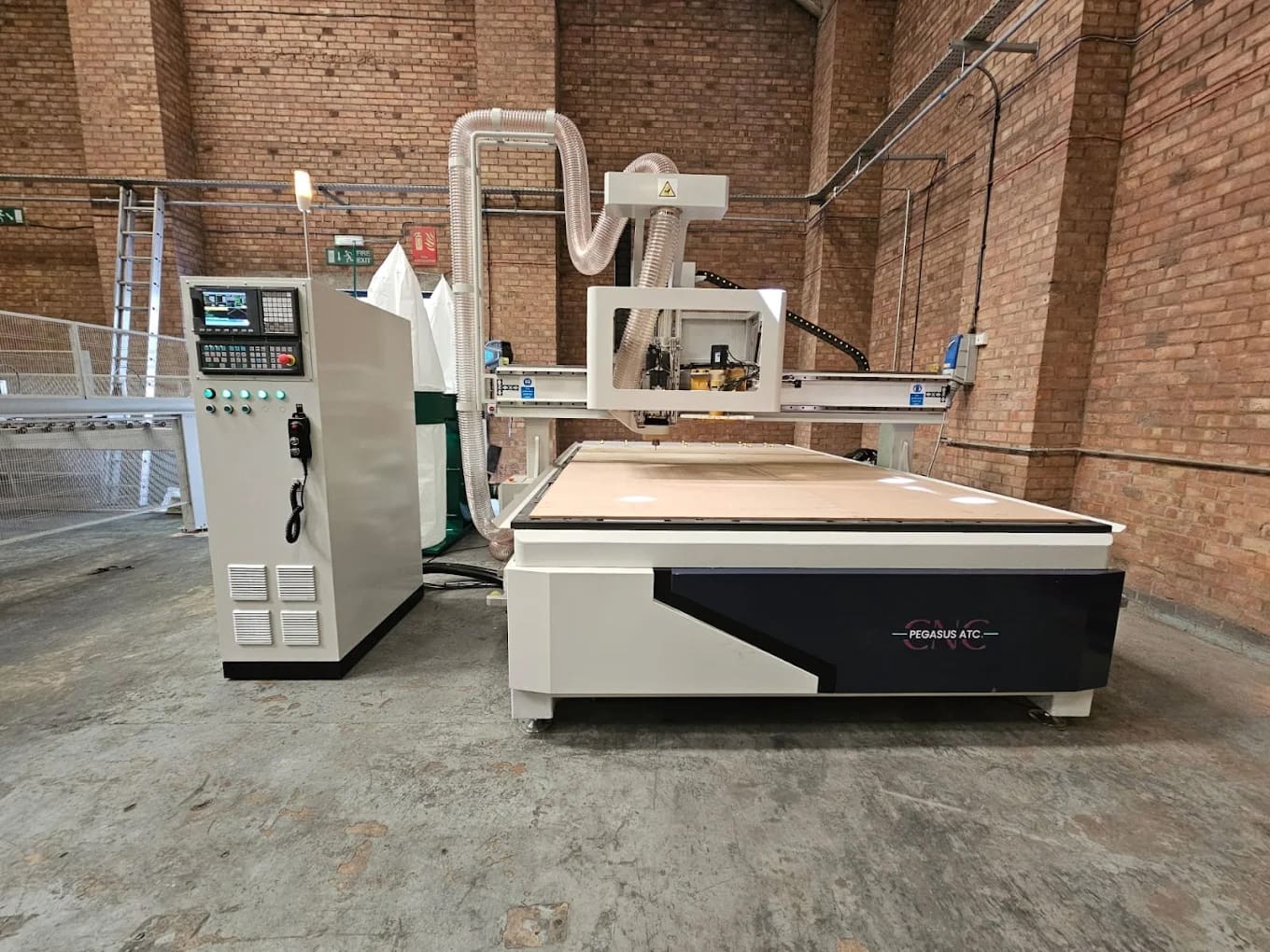 New CNC
 Used or Refurbished CNC
First-time CNC buyers often compare a brand-new industrial machine with a much cheaper private-sale alternative. Both can be sensible purchases, but only when the complete cost, condition and support position are understood before money changes hands.
The price is only the beginning
A new machine price commonly includes far more than the equipment itself. Delivery, positioning, installation, commissioning, software, operator training, warranty and technical support may all form part of the package.
A used machine advert may include none of these. Transport, recommissioning, missing software, replacement parts and training can significantly reduce the apparent saving.
Compare the cost of getting the machine safely into production—not simply the cost of getting it through the workshop door.
Purchase price
The amount paid before transport, installation or repairs.
Condition
Wear, maintenance history and hidden faults affect reliability.
Support
Training, technical help, parts and software matter after purchase.
Production risk
Unexpected downtime can cost more than the failed component.
New and used CNC machinery at a glance
The main advantages of buying new
A new CNC router gives the buyer a known starting point. The machine can be specified around the required bed size, materials, spindle, tool changing and production level rather than accepting compromises created by the used market.
Installation and training can also be planned as one process, helping first-time operators understand the controller, software, safety checks and daily workflow from the beginning.
The main advantages of buying used
A suitable used machine can provide industrial capability at a lower initial cost. It may also be available sooner than a made-to-order machine and can allow a business to test whether CNC fits its production before making a larger investment.
These benefits are strongest when the machine has a known history, has been properly inspected and can still be supported.
A used CNC machine is not automatically a bargain
The greatest risk is uncertainty. A machine may power up and move during a viewing but still have worn collets, damaged vacuum seals, spindle problems, controller issues or inaccurate axes. The true condition only becomes clear when it is tested under realistic cutting conditions.
Questions to ask before buying a used CNC machine
An upgrade is different from a machine being moved on because it is unreliable or unsupported.
See the machine cut a relevant material rather than accepting a controller demonstration.
Confirm pumps, extraction, computer, tooling, software, manuals and safety equipment.
Check whether parts, technical help, training and servicing remain available.
Check the machine’s history
- Original supplier and approximate installation date.
- Previous materials and typical production workload.
- Service records and major component replacements.
- Periods when the machine was stored or left unused.
- Known faults, intermittent issues or previous repairs.
- Controller passwords, restrictions or missing access.
Inspect more than the appearance
- Spindle sound, temperature and visible runout.
- Axis movement, repeatability and cutting accuracy.
- Vacuum-bed condition, pumps, seals and zones.
- Tool changer operation where one is fitted.
- Electrical cabinets, cables, sensors and emergency stops.
- Guards, light barriers and other safety systems.
Do not overlook transport and installation
Industrial CNC routers are heavy, sensitive machines. They must be isolated correctly, lifted from suitable points, secured for transport and positioned without twisting or damaging the frame.
Once moved, the machine may need levelling, alignment checks, electrical connection, vacuum and extraction setup, controller checks and a test cut before it is ready for production.
A machine that worked before transport is not guaranteed to be correctly configured after transport.
Costs that used-machine adverts may exclude
- Specialist machinery transport and lifting.
- Electrical work, extraction and compressed air.
- Installation, levelling and recommissioning.
- Replacement collets, cutters, seals or spoilboards.
- Software licences and a compatible post processor.
- Operator training and initial production support.
Costs easier to predict when buying new
- Machine specification and included equipment.
- Delivery and installation arrangements.
- Training and software provision.
- Warranty terms and technical support routes.
- Replacement parts and future servicing.
- Site preparation requirements before delivery.
Safety information and documentation still matter
A machine being second-hand does not remove the need for it to be safe. The Health and Safety Executive states that suppliers of second-hand equipment for use at work must take reasonably practicable steps to ensure it is safe and provide adequate information about its intended use. Safety features such as guards and other protective devices should be present and functional.
Buyers should confirm what instructions, declarations, inspection records and safety equipment are available. Substantial modification can also create additional conformity obligations, so competent advice may be needed where a machine has been significantly altered.
Official guidance is available from the HSE on second-hand work equipment and refurbished or modified machinery.
Private sale or professionally refurbished?
Not all used-machine purchases carry the same risk. A private sale may offer the lowest price, but the buyer will usually be responsible for assessing condition, arranging transport, finding technical support and resolving anything discovered after purchase.
A professionally inspected second-user machine offers a middle ground. Opus CNC second-user machines are inspected and serviced before resale, with transparent condition information, technical support and optional installation and training. Warranty terms vary by the individual machine and are outlined before purchase.
Inspection
The machine is assessed by engineers before resale.
Condition report
The buyer receives clearer information about known limitations.
Reinstallation
Optional delivery, installation and training reduce handover risk.
Support
A route for parts, servicing and technical questions remains available.
Which option is better for a first-time CNC buyer?
Buying new may be better when:
- The machine will be central to production from day one.
- You need a specific bed size or machine configuration.
- Your team requires complete machine and software training.
- Predictable warranty and aftercare are priorities.
- You cannot absorb unexpected downtime or repair costs.
- The business expects to keep the machine for many years.
Buying used may be better when:
- The machine has a known history and can be fully tested.
- The specification closely matches the intended work.
- The saving remains worthwhile after transport and setup.
- Parts, software and technical support are still available.
- The business can tolerate some additional ownership risk.
- The machine has been professionally inspected or refurbished.
Buying well matters more than buying new or used
A carefully selected used CNC router can be a strong first machine. A poorly matched or unsupported used machine can become expensive very quickly. Equally, a new machine is only a good investment when its specification fits the work and the business is ready to use it.
Opus CNC supplies new industrial CNC routers with delivery, installation, training and long-term technical support. A selection of inspected second-user CNC machines may also be available for buyers looking for a lower-cost route into CNC production.
The safest purchase is the machine whose condition, specification, support and complete cost are understood before you commit.
Comparing a new machine with a used alternative?
Tell the Opus CNC team what you manufacture, the materials you use and the used machine you are considering. We can help you compare the specification, likely setup requirements and whether a new or inspected second-user option offers better long-term value.