
How CNC Routers Really Fit Into a Modern Workshop
A deeper, honest look at capability, workflow, people, and long-term value — not just machines.
A CNC Router Is Rarely the Real Investment
When businesses invest in a CNC router, most of the attention goes to the machine itself — bed size, spindle power, tool change speed, price. These are tangible, easy-to-compare numbers.
But after installation, something else becomes clear:
the real investment isn’t the CNC router — it’s everything that grows around it.
How work is planned.
How materials are handled.
How people think about repeatability.
How decisions are made upstream, before a tool ever touches material.
This article steps back from settings and specifications to explore how CNC routers truly fit into modern workshops — and why their real value often shows up in places people don’t expect.
CNC Becomes the Organising Centre of Production
In well-run workshops, the CNC router quietly becomes the anchor point for production. Jobs are planned around it, materials are batched for it, and downstream processes adapt to its output.
When CNC is treated as an isolated machine, its benefits are limited. When it’s treated as the heart of the workflow, efficiency and predictability improve across the entire business.
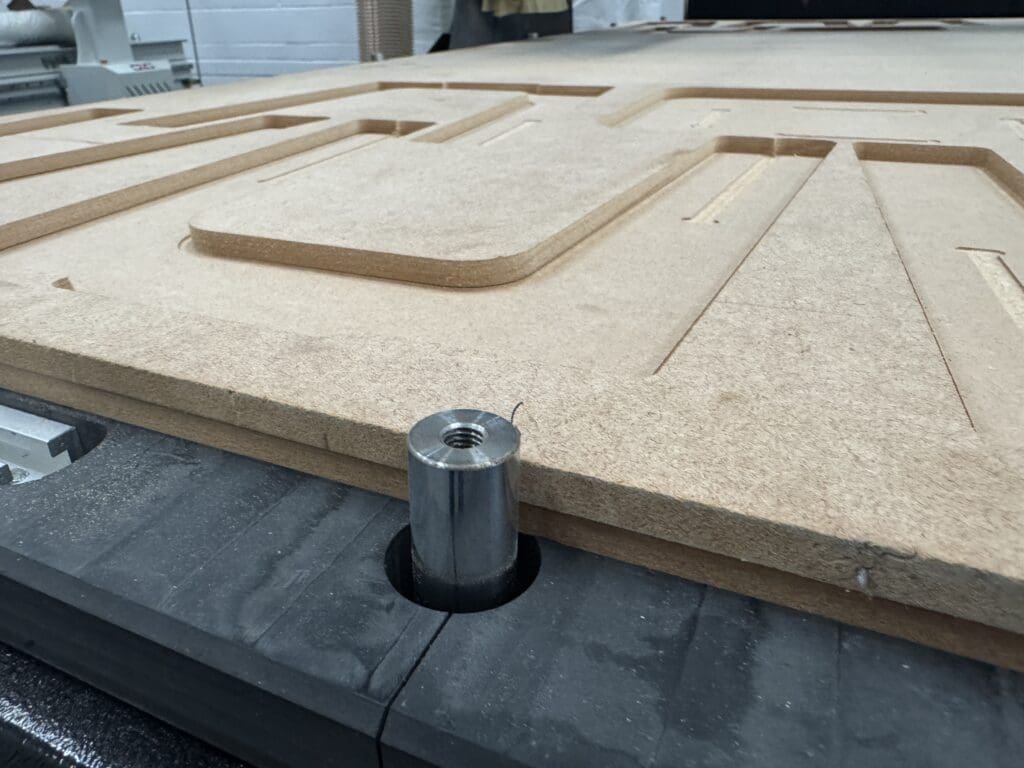
Why Identical CNC Routers Produce Very Different Results
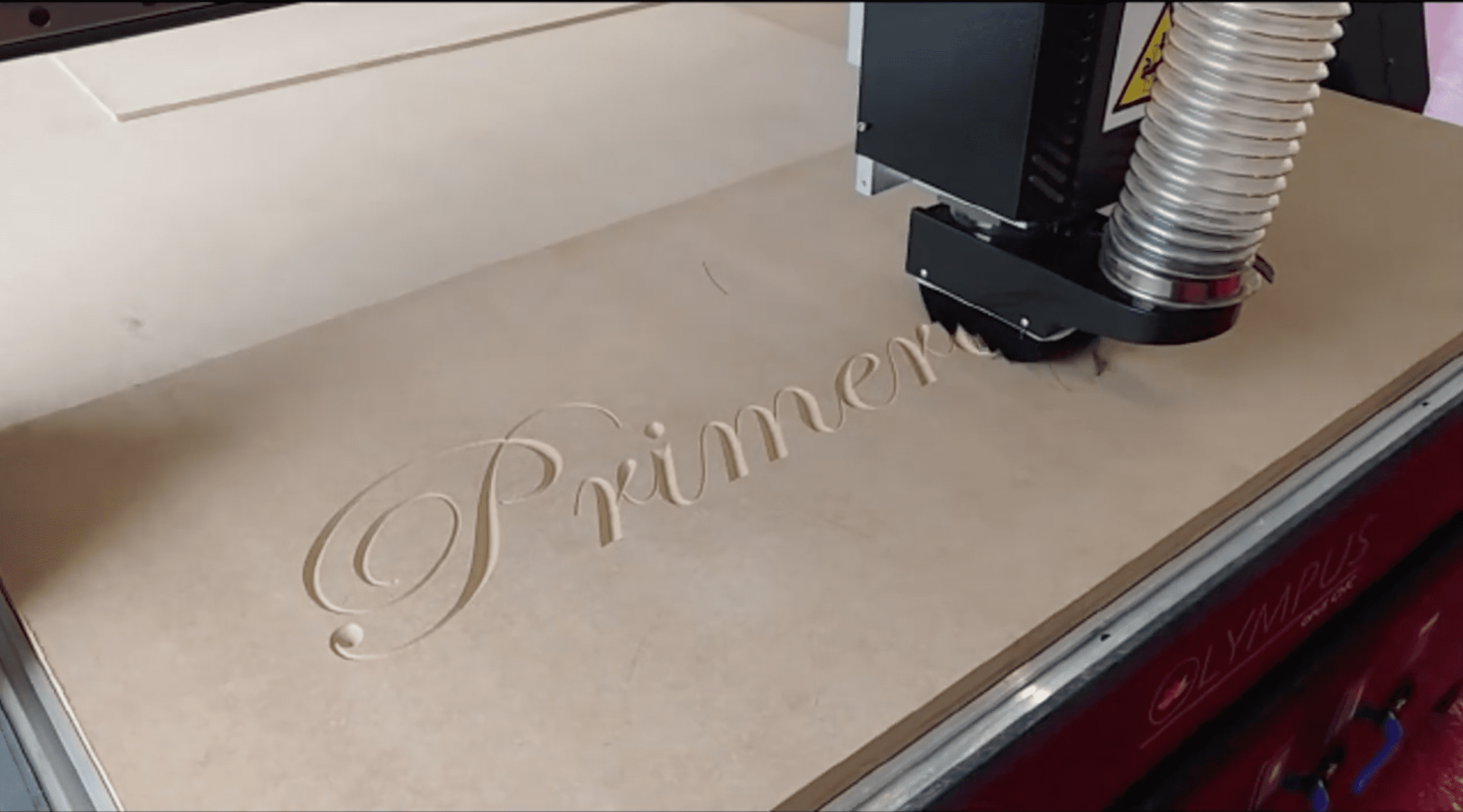
It’s common to see two workshops with the same CNC router achieving completely different outcomes. The difference is rarely mechanical.
Operator confidence, setup discipline, understanding of materials, and willingness to test and refine all play a far bigger role than machine specifications. CNC rewards consistency and understanding — not shortcuts.
CNC Doesn’t Remove Skill — It Relocates It
One of the biggest misconceptions about CNC is that it replaces craftsmanship. In reality, it shifts skill away from manual cutting and into planning, design, and decision-making.
Good CNC operators are thinkers. They understand how materials behave, how toolpaths influence forces, and how small changes affect outcomes. CNC doesn’t simplify work — it changes where expertise is applied.
Speed Matters Less Than Consistency
While CNC routers are capable of impressive cutting speeds, speed is rarely where the biggest gains are made. Consistency is what transforms a workshop.
Being able to produce the same part tomorrow, next week, or next year — with the same quality — changes how jobs are priced, promised, and delivered. CNC earns its keep by reducing rework and uncertainty.
CNC Quietly Changes How Businesses Grow
CNC often influences business growth in subtle but powerful ways. It enables larger contracts, repeatable product lines, and tighter tolerances without requiring proportional increases in labour.
Instead of relying on individual skill availability, growth becomes driven by preparation and process. This makes CNC especially valuable in markets where skilled labour is scarce.
Software Decisions Shape Real-World Results
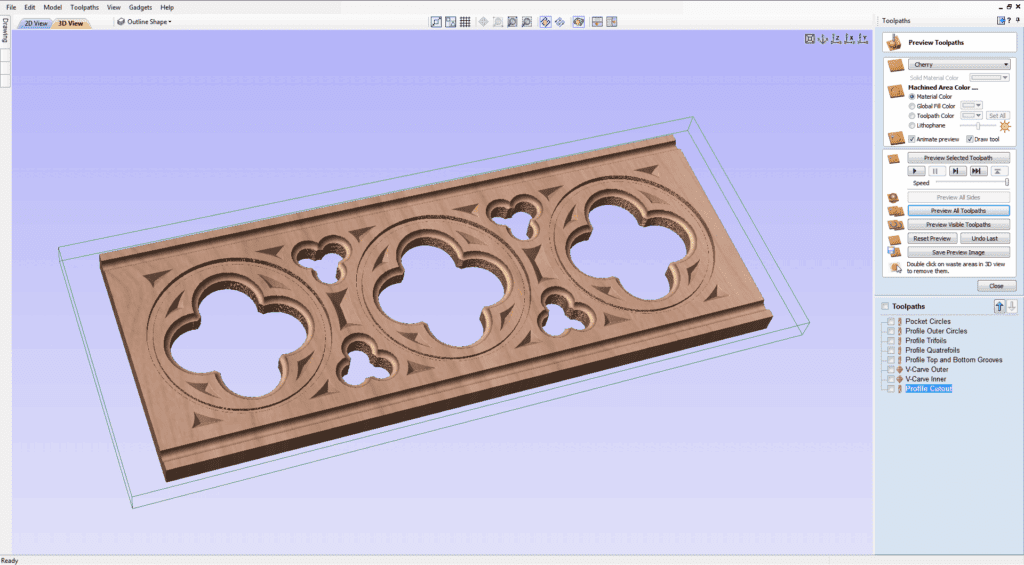
The CNC router executes instructions — it doesn’t make decisions. Those decisions are made in the software.
Toolpaths define cutting forces, edge quality, cycle times, and even vacuum performance. Two identical machines can behave entirely differently depending on how they’re programmed. This is why time invested in software understanding often outperforms hardware upgrades.
Ownership Brings Responsibility, Not Just Capability
CNC often influences business growth in subtle but powerful ways. It enables larger contracts, repeatable product lines, and tighter tolerances without requiring proportional increases in labour.
Instead of relying on individual skill availability, growth becomes driven by preparation and process. This makes CNC especially valuable in markets where skilled labour is scarce.
CNC Is Powerful — But Not Always the Right Tool
CNC routers are incredibly versatile, but they aren’t universal solutions. Highly organic one-off work, extremely small components, or constantly changing designs may still be better suited to traditional methods.
Mature workshops understand when CNC adds value — and when another approach makes more sense. The strength lies in choosing the right tool for the job, not forcing one process to do everything.
A Mature CNC Workshop Feels Calm, Not Rushed
The most telling sign of a mature CNC workshop isn’t output — it’s atmosphere. Clean machines, organised materials, confident operators, and realistic cycle times create an environment where CNC feels predictable and controlled.
When CNC is fully integrated, it fades into the background. Problems are anticipated, not reacted to. The machine becomes reliable because the system around it is sound.
Final Thoughts From the Workshop Floor
CNC routers don’t deliver their real value through specifications alone. They succeed when they’re understood, integrated, and respected as part of a wider system.
The most successful CNC workshops aren’t chasing the biggest machines — they’re building the best processes.
CNC isn’t just about cutting material. It’s about structuring how a workshop thinks.