
Understanding Vacuum Hold-Down (and Why It Sometimes Fails)
A practical guide to getting reliable material hold without frustration, chatter, or ruined parts.
Vacuum Problems Are Rarely Pump Problems
When a CNC job goes wrong, vacuum hold-down is often the first thing blamed. Parts lift, edges chatter, tools snap, and suddenly the vacuum “isn’t strong enough”.
But in reality, most vacuum issues have nothing to do with the pump itself.
After years of installs, training, and service visits, we’ve learned that unreliable hold-down is almost always caused by setup, spoilboard condition, or workflow habits — not a lack of suction. This article explains how vacuum systems actually work, why they sometimes fail, and how to get the most out of them day-to-day.
1). How CNC Vacuum Hold-Down Really Works
Vacuum hold-down doesn’t grip material in the same way clamps do. It relies on surface contact, air restriction, and pressure difference. The better the seal between the sheet and the bed, the stronger the hold.
Large sheets with flat surfaces create excellent suction. Small parts, warped boards, or porous materials reduce the effectiveness dramatically. Understanding this basic principle helps explain why some jobs hold perfectly while others feel unpredictable.
Vacuum works best when you help it.
2). Spoilboard Condition Is Everything
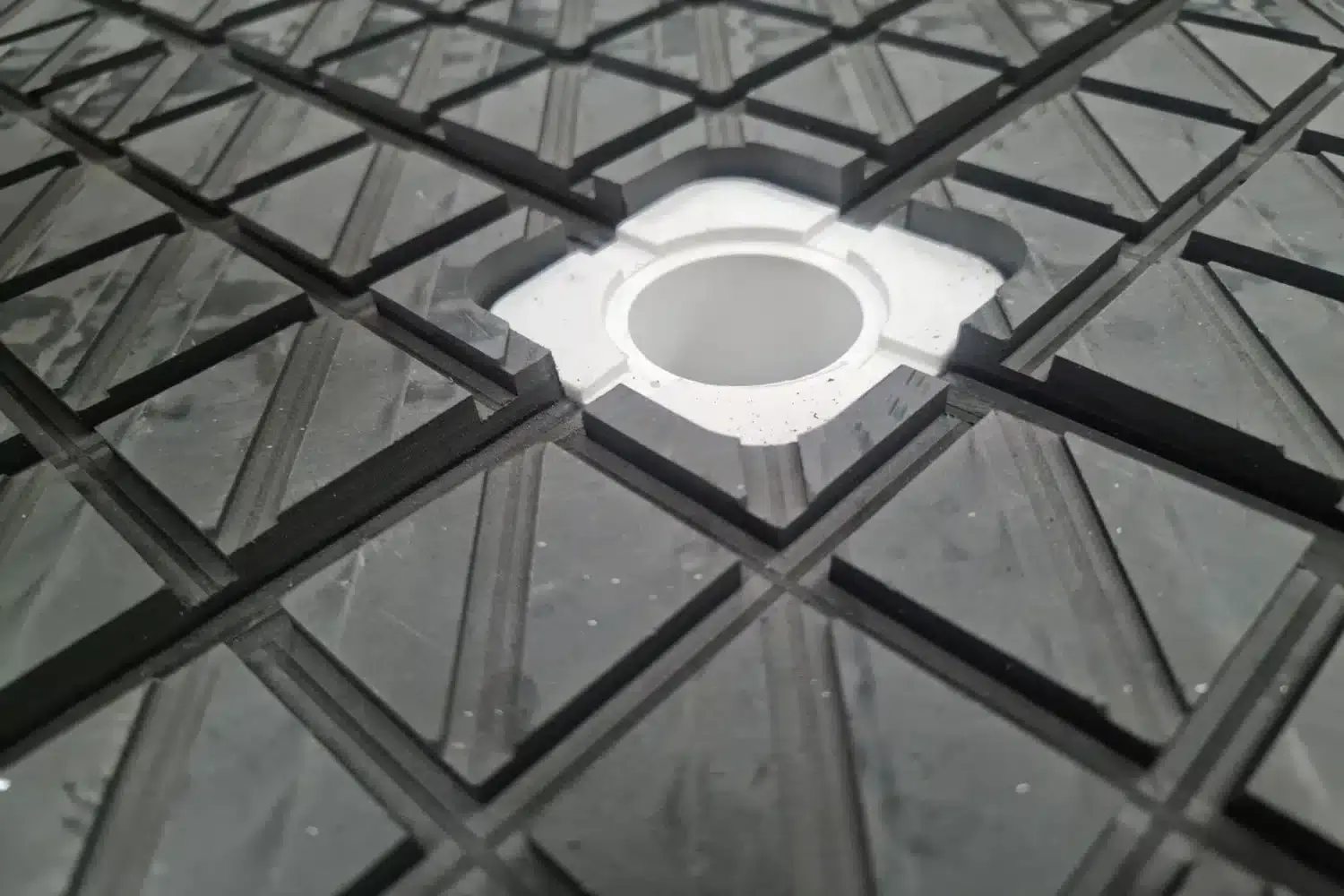
A worn or uneven spoilboard is the most common cause of poor vacuum performance. Over time, grooves deepen, surfaces become uneven, and air leaks increase — all of which reduce suction.
Regularly skimming the spoilboard restores flatness and dramatically improves hold-down. This single task often fixes vacuum complaints instantly. Even the strongest vacuum system can’t overcome a badly maintained spoilboard.
If the bed isn’t flat, the vacuum never stands a chance.
3). Porous Materials Reduce Holding Power
Materials like MDF, low-density board, and some composites allow air to pass straight through them. While MDF machines beautifully, its porosity can work against vacuum hold-down, especially on thinner sheets.
Sealing the spoilboard, using gasketing effectively, or adding a sacrificial layer beneath the workpiece can improve results. Understanding how air moves through the material helps you adapt your approach instead of fighting the machine.
4). Small Parts Need a Different Strategy
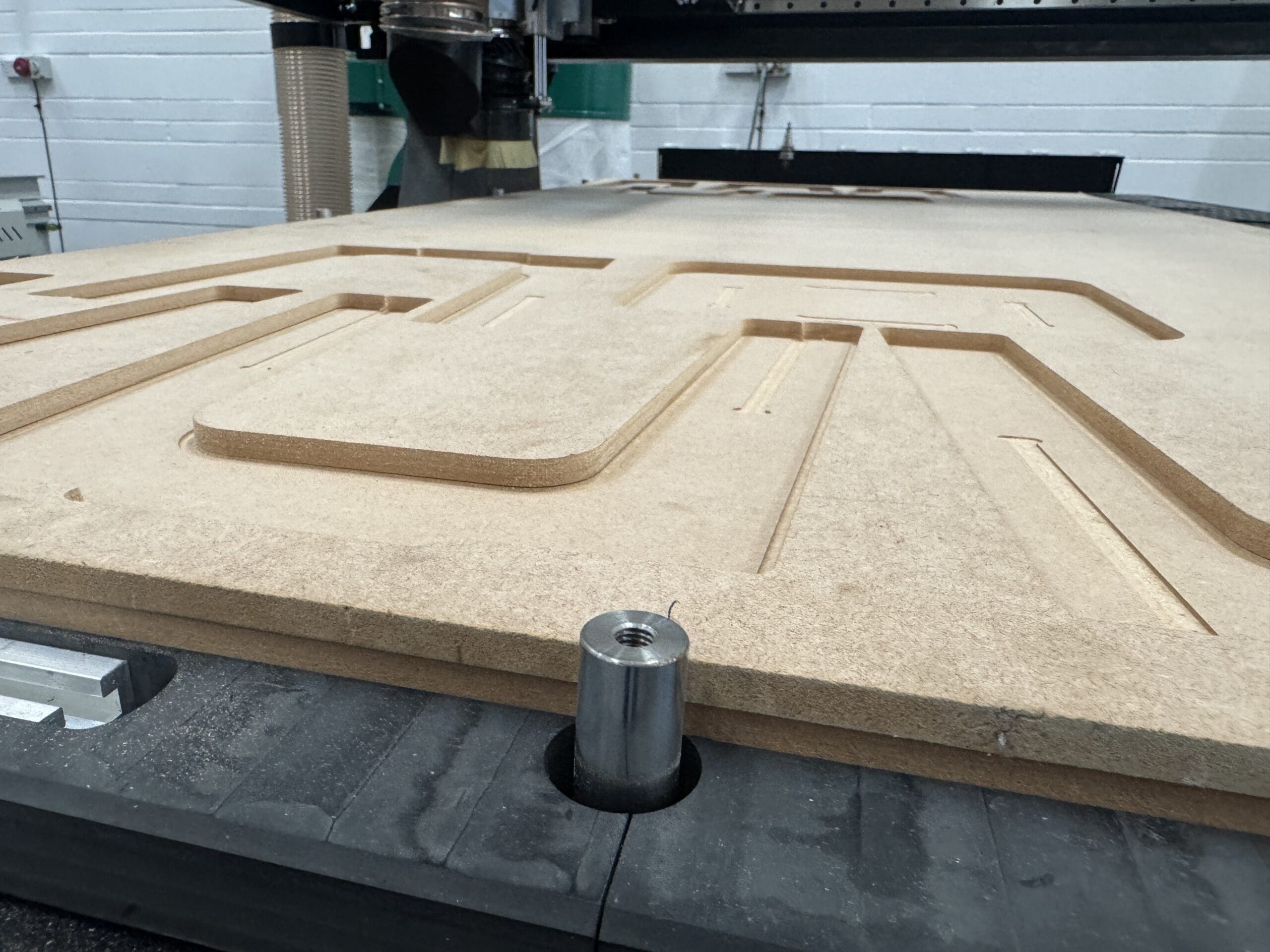
Vacuum beds excel with full sheets — but they struggle with small components. As parts are cut free, surface area decreases and suction drops. This is when parts move, chatter, or lift.
Using tabs, onion-skin passes, or leaving a thin layer at the bottom until the final cut keeps parts stable. These techniques work with the vacuum system, not against it.
Expecting a vacuum bed to hold tiny parts without support is unrealistic — and unnecessary.

5). Zoning and Sealing Make a Huge Difference
Leaving unused vacuum zones open is like drilling holes in your suction system. Every open area reduces pressure where you actually need it.
Closing unused zones, sealing edges, and keeping gaskets clean helps concentrate suction exactly where the material sits. This is especially important when machining half-sheets or nested layouts that don’t cover the full bed.
Good vacuum is often about containment, not power.
6). Cleanliness Directly Affects Hold-Down
Dust is a silent vacuum killer. Fine debris builds up on the spoilboard, clogs pores unevenly, and prevents proper sealing between the sheet and the bed.
Vacuuming the bed before loading material and keeping channels clear improves consistency dramatically. This takes seconds, but prevents hours of frustration.
A clean bed holds better — every time.
7). Toolpaths Can Either Help or Hurt Vacuum Performance
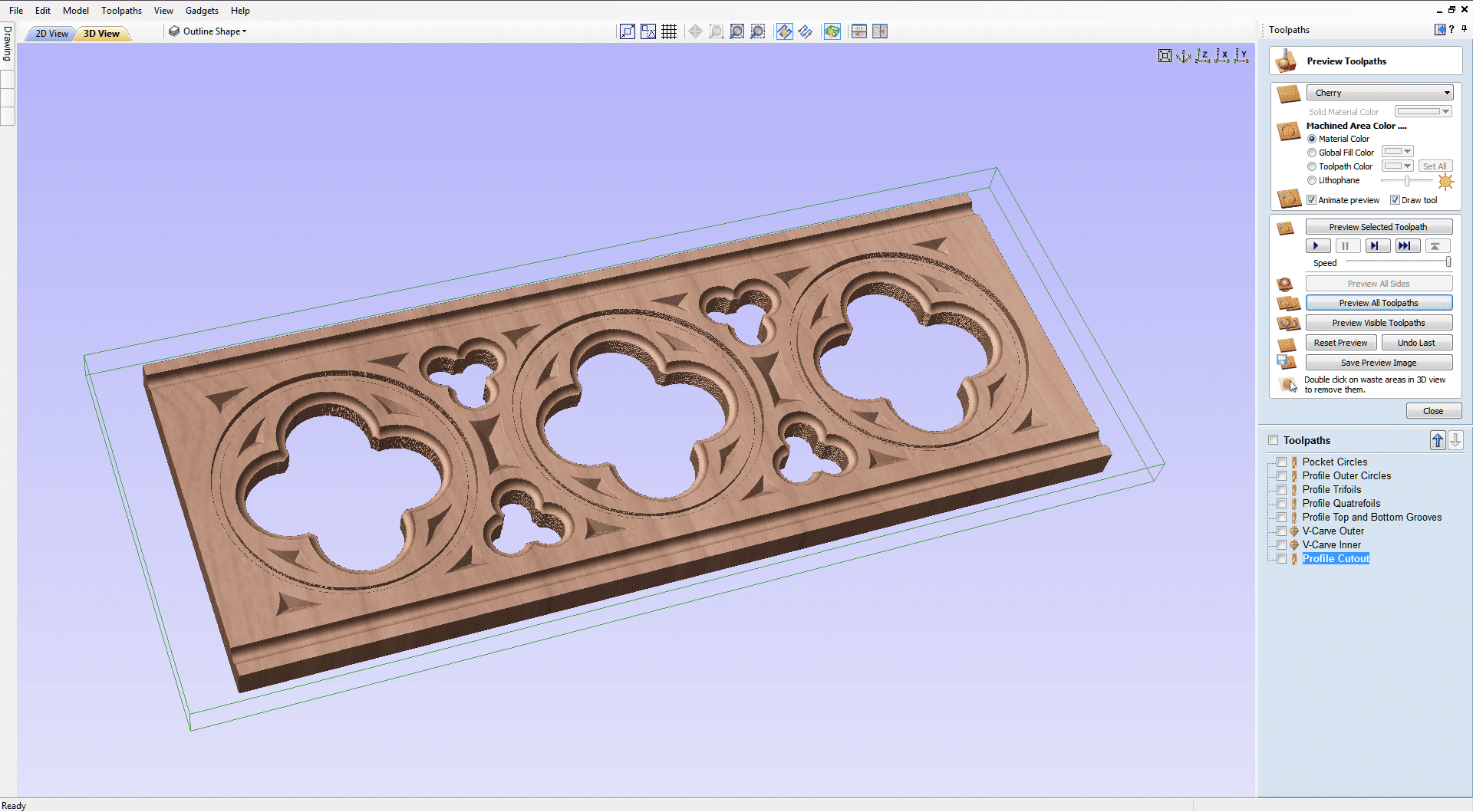
Aggressive toolpaths, deep passes, and sudden directional changes increase the force trying to lift material. If vacuum is marginal, these forces expose weaknesses quickly.
Reducing pass depth, adjusting cut direction, and adding a light finishing pass can stabilise parts without changing the vacuum system at all. Sometimes the solution isn’t more suction — it’s less stress on the part.
Toolpaths and vacuum performance are closely linked.
8). When Vacuum Isn’t the Right Solution
Vacuum beds are incredibly effective, but they aren’t the answer to every job. Very small parts, thick uneven materials, or one-off awkward shapes may be better held using clamps, fixtures, or jigs.
Knowing when not to rely on vacuum is just as important as knowing how to use it. The best workshops adapt their holding method to the job — not the other way around.
Final Thoughts From the Workshop Floor
Reliable vacuum hold-down isn’t about having the biggest pump or the newest machine. It’s about flat surfaces, good sealing, clean working habits, and understanding how air behaves under your material.
When vacuum is treated as part of the process — not a background feature — it becomes one of the most powerful tools in the CNC workshop.
Vacuum works best when you work with it, not against it.